Amazon Seller Profit Calculator India | FBA & Fee Calculator – Seller Center
Amazon Seller Profit Calculator India – Part 1 Real Amazon India Fee Structure
If you’ve ever searched for “tools for SEO optimization” or “search engine optimisation tool”, you’re not alone. Every website owner eventually needs a reliable SEO marketing tool set to handle keyword research, audits, content optimization, and tracking. The good news: you don’t need 50 tools. You need the right tools in SEO for your goals—whether that’s ranking a local service page, growing a blog, or scaling an e-commerce store.
In this guide, you’ll learn what are SEO tools, what is SEO tools used for, and a practical SEO tools list (free and paid). You’ll also see which SEO optimisation tool fits each job: technical SEO tools, SEO analytics tools, SEO optimization software, and simple SEO tools that a beginner can use without confusion.
Want to know why your pages aren’t ranking (or why traffic is stuck)?
Submit your website and get a free SEO report that highlights your biggest issues and quick fixes—written in simple language, not confusing SEO jargon.
What are SEO tools: They are websites, software, or browser-based platforms that help you improve how your website appears in search engines. People also call them “search engine optimization tools online” or “seo web tools” because many run in the browser.
Finding and validating keywords (search engine optimization keywords).
Auditing a website for errors and technical SEO problems.
Analyzing competitors.
Improving on-page SEO (titles, headings, internal linking).
Building and monitoring backlinks.
Tracking rankings and performance.
Measuring SEO results using SEO analytics tools.
So when someone asks “what is seo tools” or “what is seo tool”, the simplest answer is: SEO tools help you find opportunities, fix issues, and track progress faster and with fewer mistakes.
There are hundreds of “search engine optimizer tool” options. But the best search engine optimization tool for you depends on your budget, your website type, and your skill level.
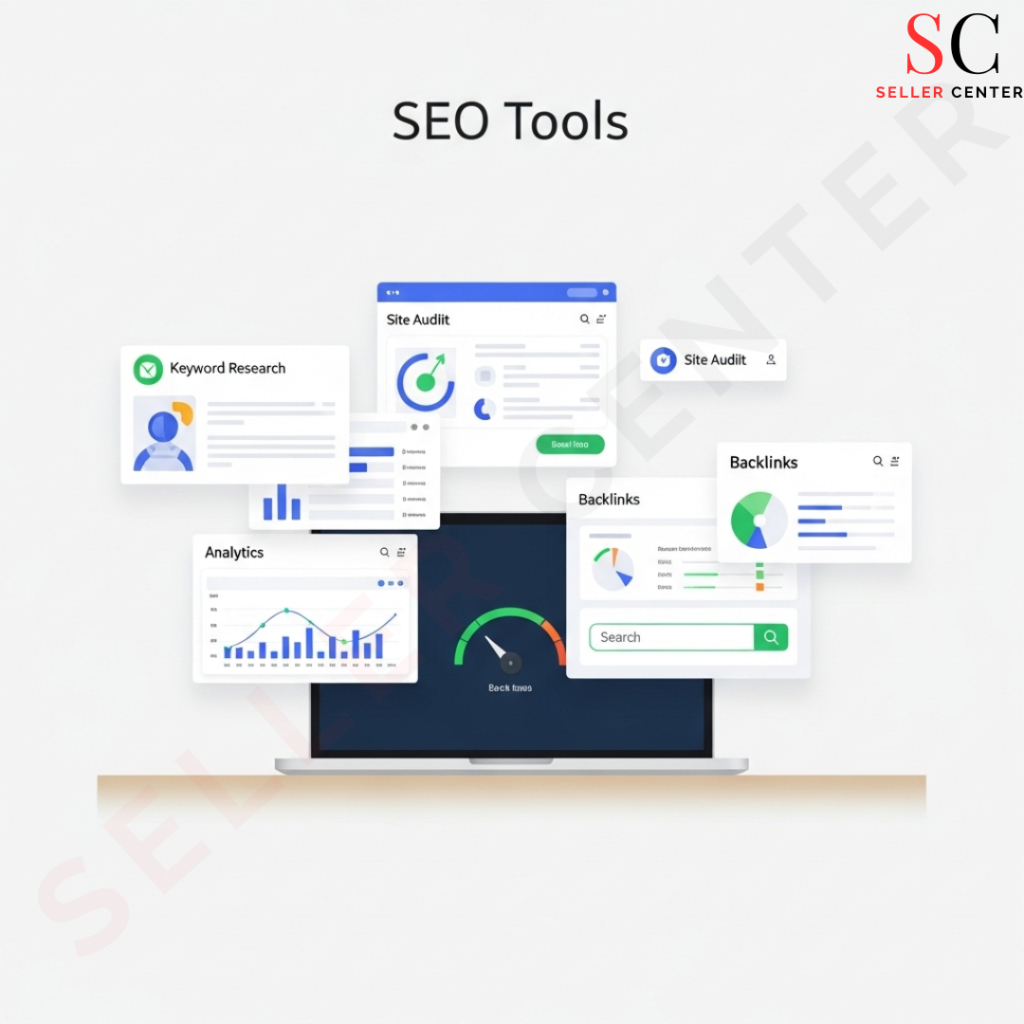
Pick tools from these 5 buckets:
Website tracking & indexing
These show if Google (and other engines) can crawl and index your pages.
Keyword research
These help you choose topics and create content that people actually search for.
On-page and content optimization
These help you improve pages you already published.
Technical SEO
These fix speed, crawling, indexing, broken links, duplicate pages, redirects, schema, and more.
Reporting & analytics
These tools tell you what’s working and what needs attention.
This approach makes it easy to build a “tools SEO” stack without buying everything.
Pick tools from these 5 buckets:
Website tracking & indexing
These show if Google (and other engines) can crawl and index your pages.
Keyword research
These help you choose topics and create content that people actually search for.
On-page and content optimization
These help you improve pages you already published.
Technical SEO
These fix speed, crawling, indexing, broken links, duplicate pages, redirects, schema, and more.
Reporting & analytics
These tools tell you what’s working and what needs attention.
Below is a highly practical list of SEO tools for website growth. It includes professional SEO tools, online SEO tools, and tools SEO free options.
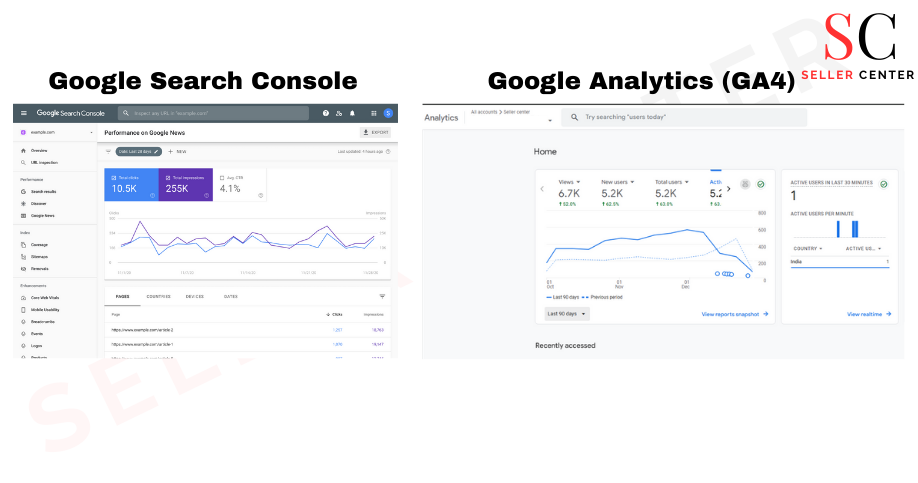
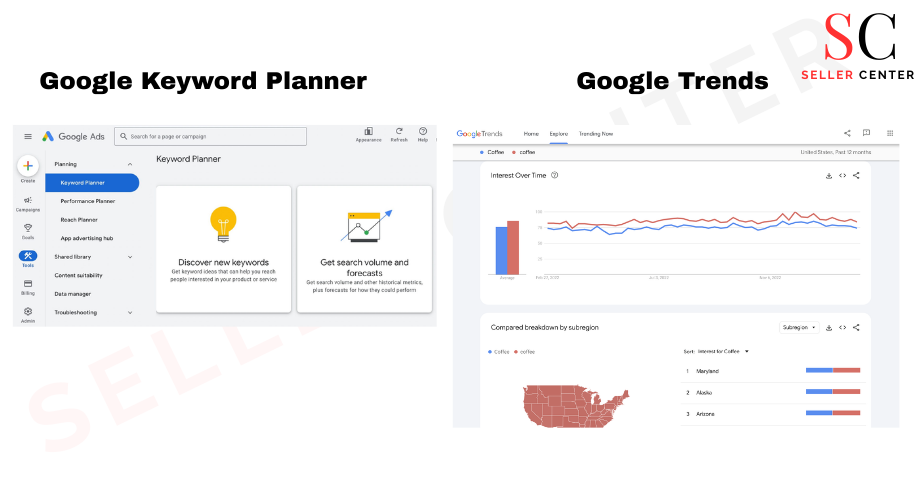
These are the first “google seo tools” most websites should set up:
Google Search Console (indexing + performance)
Google Analytics (GA4) (traffic + engagement)
Google Keyword Planner (keyword ideas; useful even if you run ads)
PageSpeed Insights / Lighthouse (performance + technical signals)
Google Trends (topic direction and seasonality)
If you only use free SEO tools, these form the strongest base of “google seo optimization tool” options.
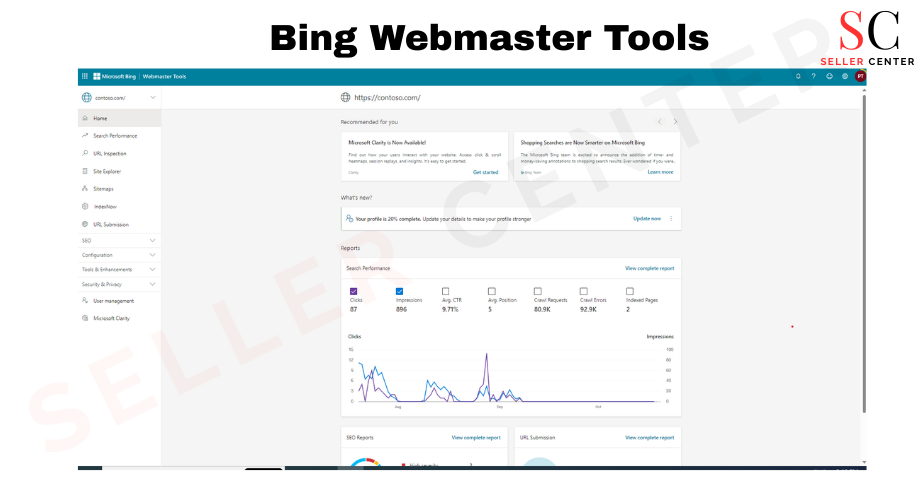
Bing Webmaster Tools (Bing’s version of Search Console)
Even if Google is your main traffic source, Bing can bring steady traffic in some niches and markets. Bing tools also help verify indexing and discover crawl issues.
Keyword research is where most people waste time. A strong SEO tool for website keyword discovery should help you see:
Search volume trends
Keyword difficulty/competition
Related topics
SERP intent (what type of content ranks)
This is where phrases like “search engine optimization tool”, “seo optimisation tool”, and “search engine optimisation tool” usually point: keyword discovery and ranking growth.
Technical SEO tools help you detect problems that stop pages from ranking even when content is good:
Broken links
Crawl depth issues
Redirect chains
Duplicate content
Missing tags
Canonical errors
Thin pages
Index bloat
If your site is slow or messy, technical SEO tools often deliver faster results than publishing more blogs.
These tools are used after you decide the keywords:
Surfer SEO
Frase
Clearscope
MarketMuse
Yoast SEO / Rank Math (WordPress)
These aren’t magic “seo tools adds” or “seo tools ads” solutions. They simply help ensure your page covers the topic fully and is structured well.
SEO analytics tools connect traffic, rankings, and conversions:
Google Analytics (GA4)
Looker Studio (dashboards)
Search Console performance reports
Semrush / Ahrefs reporting
Matomo (privacy-friendly analytics)
If you want professional SEO tools output for clients, reporting matters as much as rankings.
For local service businesses:
Local rank trackers
Citation management platforms (varies by country/region)
If your goal is “best SEO tools for small business”, local visibility tools can outperform fancy enterprise features.
If budget is tight, start with tools SEO free options and upgrade only when you outgrow them.
Here’s a simple stack of free SEO optimization tools:
Search Console (indexing + queries)
Analytics (traffic)
Keyword Planner (keyword ideas)
PageSpeed Insights (speed checks)
Lighthouse (basic SEO checks)
Google Trends (topic discovery)
This set covers “search engine optimization free tools”, “free seo optimization tools”, and “free search engine optimization” workflows without spending money.
Move to paid “seo optimization software” or “search engine optimization software” when you need:
Competitor backlink research
Advanced keyword difficulty scoring
Large-scale site auditing
Rank tracking at scale
Client reporting and automation
At that stage, it’s normal to consider “best seo optimization tool” or “best search engine optimization tool” platforms like Semrush or Ahrefs.
Instead of claiming one “best search tools” solution for everyone, here are practical picks.
Semrush SEO tool is popular because it combines keywords, audits, competitors, content ideas, and reporting in one place.
Ahrefs is widely used for backlink analysis and content research.
Both are professional SEO tools. Which one is “best” depends on whether you focus more on content growth or technical/backlink-heavy campaigns.
Rank Math or Yoast SEO for on-page basics (titles, meta, schema, sitemaps).
Combine with caching + image optimization plugins to improve performance.
When reading SEO tool reviews or seo tools reviews, look for:
Real screenshots
Use-case testing (not affiliate fluff)
Updated reviews (tools change quickly)
Clear pros/cons and pricing
This is the difference between a real “seo tool review” and marketing content.
Sometimes you just want a fast answer: “seo check my site”.
Useful types of SEO optimization site tools include:
Robots.txt testers
Redirect checkers
Structured data validators
XML sitemap validators
Mobile-friendly testing tools
Backlink checkers (limited on free plans)
These “search engine optimization sites” can be helpful for quick diagnostics, but for serious work you’ll still want core platforms like Search Console and a crawler.
Here’s a simple weekly routine that uses tools in seo correctly:
Update:
Title tag + meta description
Headings (H1/H2)
Internal links
Image alt text
Content gaps (answer missed questions)
Run a crawler monthly or bi-weekly.
Fix:
Broken links
Redirect chains
404 pages with backlinks
Duplicate titles/metas
Canonical errors
This workflow is how “search engine optimization tool” usage turns into real growth.
Search Console
GA4
Keyword Planner
Trends
PageSpeed Insights / Lighthouse
A free browser extension for on-page checks
This covers “tools seo free”, “seo tools free”, and “search engine optimization free” needs.
This is a realistic “best seo tools for small business” setup.
Semrush + Ahrefs (some agencies use both)
Screaming Frog + Sitebulb
Dedicated rank tracking platform
Reporting automation (Looker Studio + connectors)
Log file analysis tool (advanced technical SEO)
This is the “pro seo tool / pro seo tools” route.
Some people search “seo tools adds” or “seo tools ads” expecting SEO to be the same as Google Ads. It’s not.
SEO = organic visibility (unpaid clicks).
Search engine marketing tool usually refers to paid marketing (ads), but many platforms (like Semrush) support both SEO research and PPC research.
If you do both, keep your SEO and paid strategy connected—keyword insights can help both channels.
If you want results, the secret isn’t collecting a huge “seo tools list”. It’s choosing a small set of tools for search engine optimization and using them consistently—checking indexing, improving pages, fixing technical issues, and tracking performance week after week.
Amazon Seller Profit Calculator India – Part 1 Real Amazon India Fee Structure
The 2026 AI Unfair Advantage: Scaling Your Brand with Cinematic Video and Voice
The Global Leap: How to Take Your Indian Brand International with Amazon Global
Seller Center is a leading eCommerce solutions provider, helping sellers grow on Amazon, Flipkart, and Shopify. From Amazon account management services to Flipkart seller support, we offer expert guidance in product listing, advertising, and sales optimization. Our team ensures seamless operations, enabling brands to scale with ease.
Subscribe to Our Newsletter | Stay Updated with E-commerce Insights